Recovery for BJJ Athletes Over 35
You don’t magically need a different diet, more protein, or a fancy supplement to help recover if you’re over 35 years old. But recovering from a few hard BJJ sessions each week may feel different as you approach (and pass) 40. The stuff that matters is: sleep, eating enough to fuel your training, eating adequate protein, not ignoring carbohydrates, and taking rest days.
SLEEP
This isn’t nutrition-related, but you’ll do the majority of your recovery by sleeping 7-8 hours per night…consistently. This means having a set sleep schedule and good sleep hygiene. Things like turning off electronics an hour before bed, going to bed and waking up around the same time every night, and adjusting the temperature in your room so it’s cool in there. I can’t tell you how important this is. If you want to recover from BJJ and be able to train multiple times per week, you need to be passionate about good sleep.
EATING ENOUGH TO FUEL YOUR TRAINING
If you’re asking your body to train and spar, you need to give it the fuel to do so. I’ve worked with pro athletes, and you’d be surprised how many of them undereat. This starts with knowing your total daily energy expenditure or TDEE. There are a ton of free online TDEE calculators that can give you a ballpark calorie estimate based on your age, height, weight, and activity level. While you’re here, why not use mine? It’s geared towards BJJ athletes. Click this link and use this as a starting point. This also becomes relevant if you need to drop weight or increase weight for a competition. More on that here.
PROTEIN & CARBOHYDRATES
Once you know your maintenance calories, you can start to plan out your macronutrients. It’s really important that you’re eating enough protein and carbohydrates to help fuel training and recovery. Think of carbs as the fuel in the tank and protein as a tool to repair things for next session. So carbs before training and protein after.
I’d recommend 1.6-2.2 g of protein per kg of bodyweight. If you don’t know your weight in kgs, take your weight in lbs and divide by 2.2. Example: 180 lbs ÷ 2.2 = 82 kg × 1.6 = about 130 g of protein a day. You’re welcome. Once you have that amount of protein, the most critical aspect is meeting your total daily protein goal. Ideally, you’d split this across the day. Protein is also much more important following training than before. However, it’s not worth stressing over protein timing because it’s really splitting hairs.
Carbs can be variable depending on how frequently you train. For hobby BJJ athletes, I’d aim for roughly 50-60% of your total calories coming from carbs. To get this, take your calories and multiply by 0.5 (or 0.6). That’s the number of calories from carbohydrates you should eat every day. Then divide by 4. This is the total number of grams of carbohydrates that would be. Example: 2,500 calories × 0.5 = 1,250 calories from carbs ÷ 4 = about 310 g of carbs a day. If you need some tips about what to eat before training, I have a full breakdown in this blog post.
REST DAYS
This one seems like it can be hard for a lot of BJJ enthusiasts. You want me to take a day off?!? Yes. Look dude, you can’t push the way you did when you were 22. This is the long game. And if you want to feel good on the mats week after week, year after year, you’re going to need to pace yourself.
One myth is that a rest day = watching TV. You can be active on rest days. Take a walk, do some really easy cardio, or even show up and drill. Find ways to move your body that doesn’t involve getting your heart rate high.
Personalized Support
If you’d like some help creating some structure with your nutrition to support your training and recovery, we should chat. Sign up for a free discovery call here.
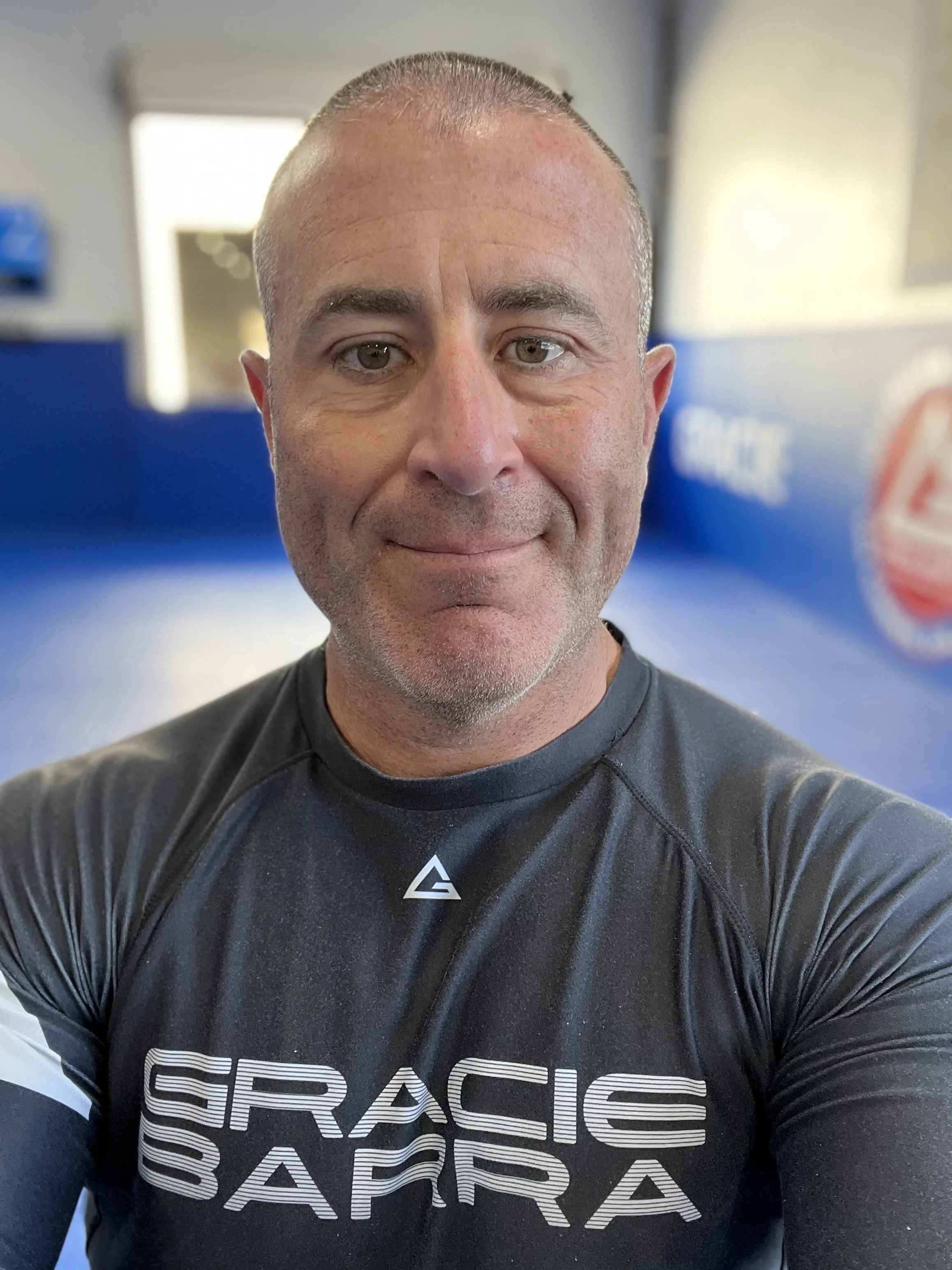
ABOUT THE AUTHOR
I’m Bob Viscount, a Registered Dietitian and BJJ black belt who’s been training since 2011. I teach at Gracie Barra San Clemente and coach BJJ athletes online who want to perform better, recover faster, and make weight without wrecking themselves. Most of my clients are regular people with full-time jobs who train a few times a week, so everything I teach has to work in real life.